Turkey blocked Twitter. If you happen to have been on vacation over the weekend or haven’t had a chance to check out the newspaper in a few days, The Washington Post and Reuters both have good write ups on the potential political fallout of this Twitter block as well as some background information on the situation. The interesting thing, as noted in the Washington Post article, is that this “restriction” has had little effect on Twitter chatter within the country. In fact, in the aftermath of discovering that they were no longer able to access Twitter, tweets spiked to 138 percent of the normal posting rate, an ironic feat in light of the ban. This statistic begs the question, “How are Turks tweeting, and tweeting rapidly, and about a Twitter ban?”
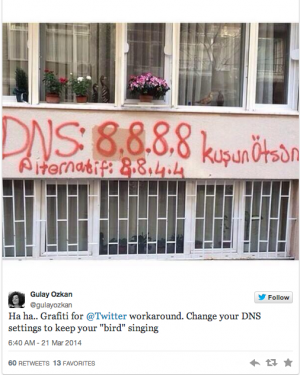
Well, the answer is simple and not so simple. Turkey has faced routine website blocking for the better part of the last decade, most notably the 2008 restriction of access to Youtube (which was in effect for 2 years). By now, most Turks, especially the younger generation, are well acquainted with the various measures for circumventing such restrictions. In case you are not, here are a few of the ways to access Twitter in the event of a block.
-
SMS
On March 20th, Twitter sent out a tweet instructing Turks how they could tweet via SMS on both Vodafone and Turkcell networks. SMS tweets are popular in areas with limited access to internet data, but in this case the service is proving to be multi-functional. Users can also receive tweets from friends that the user designates they would like to receive mobile tweets from. Obviously Twitter via SMS lacks much of the user experience of the broader Twitter app and website, but it still proves to be an effective work around.








.blog_post.jpg "Panelists, Tech Rising Event (USIP)")


 Resized.blog_post.jpg "A citizen observer photographs the C1 form in a polling station in Jakarta")

.blog_post.JPG "Malawi - Roadside Shop - February 2014")